Flex fuel vehicles (FFVs) use a mix of petrol and ethanol at various degrees. India has achieved E10 (10 percent ethanol in petrol) and is targeting E20 by 2025.
Sugar industry body ISMA on Monday sought a GST rate of 5 percent for vehicles using flex fuels, the same as that on electric vehicles, in order to accelerate the adoption of blending ethanol with petrol as fuel for automobiles.
Flex fuel vehicles (FFVs) use a mix of petrol and ethanol at various degrees. India has achieved E10 (10 percent ethanol in petrol) and is targeting E20 by 2025.
In a statement, the Indian Sugar Mills Association (ISMA) said that presently, FFVs are levied with a GST rate of 28 percent while the GST is 5 percent on electric vehicles (EVs).
This move will directly contribute to reducing India's fuel bill while simultaneously curbing carbon emissions from the transportation sector, it said.
ISMA has made a representation to the Ministry of Road Transport and Highways for a relaxation in Goods and Services Tax (GST) on FFVs.
"Presently, FFVs are levied with a GST rate of 28 percent, a notable contrast to the 5% GST rate applicable to electric vehicles. We request parity in the GST rebate for FFVs," ISMA President Aditya Jhunjhunwala said.
This would acknowledge ecological importance and empower consumers to seamlessly embrace environmentally conscious choices without bearing disproportionate financial burdens, he added.
"Offering tax deductions for FFVs could incentivize the adoption of eco-friendly vehicles, promoting a greener transportation choice," Jhunjhunwala said.
ISMA has also reached out to the Automotive Research Association of India (ARAI), who are working towards the development of anhydrous ethanol blends with gasoline, urging for a thorough exploration of the untapped potential inherent in E-100 hydrous ethanol blends.
Taking inspiration from Brazil's successful integration of such blends, India can envision an automotive landscape where cleaner fuel alternatives merge seamlessly, heralding a transformative era of sustainability.
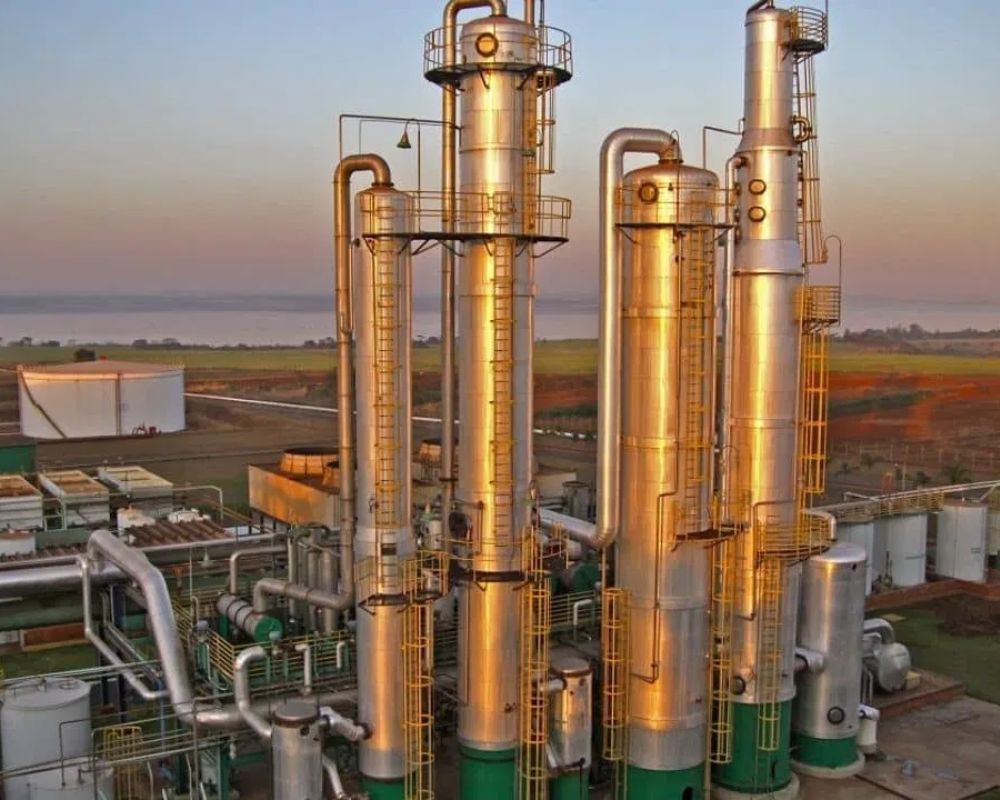
The government is targeting for 12 percent blending of ethanol with petrol for the 2022-23 ethanol supply year, ending November. Oil marketing companies (OMCs) procure a large quantity of ethanol from sugar mills. Ethanol is also being produced from rice and maize.
Source: https://shorturl.at/ceyD3